
In corporate strategy, leaders obsess over the front door of the business — revenue growth, customer acquisition, market share, and topline expansion. Entire teams, dashboards, and incentives exist to guard it.
Yet profits rarely disappear from the front door.
They quietly bleed out through the back door of procurement.
This loss doesn’t show up as fraud headlines or catastrophic failures. Instead, it manifests as something far more dangerous: normal-looking inefficiency. Small discrepancies. Minor policy exceptions. Rounding errors. Unquestioned invoices. Individually harmless. Collectively devastating.
This phenomenon is known as procurement leakage — and for large enterprises, it routinely drains hundreds of thousands to millions of dollars annually, unnoticed.
Traditional audits rarely catch it. Not because auditors are careless, but because audits are designed to check financial correctness, not behavioural patterns.
To stop the bleed, finance leaders must move beyond accounting logic and into analytics, systems thinking, and organizational psychology.
UNDERSTANDING PROCUREMENT LEAKAGE: DEATH BY A THOUSAND CUTS
Procurement leakage is not usually caused by malicious intent. It emerges from operational complexity:
- Multiple ERP systems
- Decentralized buying teams
- Thousands of vendors
- Millions of line items
- Legacy approval workflows
- Human workarounds under pressure
In this environment, even a 0.2% inefficiency compounds into material loss.
What makes leakage particularly dangerous is that it scales silently with business growth. As spend increases, leakage grows proportionally — unless actively controlled.
Let’s break down the four most common — and invisible — leakage points.
1. THE DUPLICATE INVOICE TRAP: WHEN ERRORS STOP LOOKING LIKE ERRORS
At face value, duplicate payments sound almost embarrassing. Surely no serious organization pays the same invoice twice.
In reality, modern duplicates are rarely identical.
What Actually Happens
- Invoice numbers formatted differently (INV-1023 vs INV1023)
- Invoices submitted through multiple channels (email, portal, EDI)
- Slight timing delays between submissions
- Reissued invoices after payment inquiries
- Different legal entities paying the same vendor
Traditional systems match exact values. Leakage lives in near matches.
The Analytics Reality Advanced procurement teams now rely on:
- Fuzzy string matching
- Levenshtein distance algorithms
- Pattern recognition across vendor, amount, date, and description
- Cross-system reconciliation
Without this capability, overpayments quietly sit as “unapplied credits” on vendor books — and unless actively recovered, they are rarely returned.
Industry benchmark: Duplicate payments alone account for 0.05%–0.1% of total spend in large enterprises.
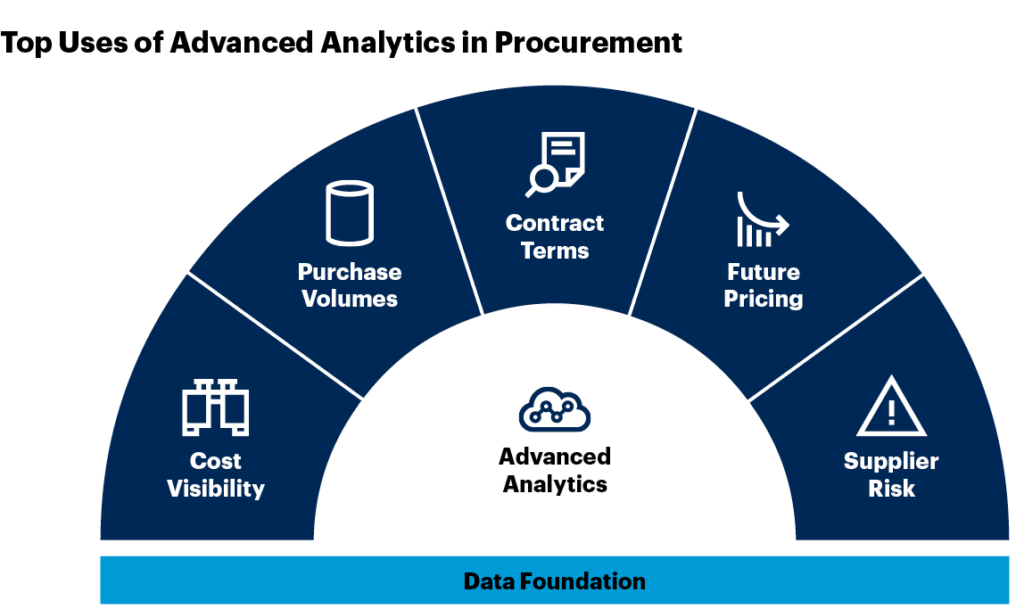
2. CONTRACT-PRICE VARIANCE: THE SILENT EROSION OF NEGOTIATED VALUE
Negotiating a contract is celebrated. Enforcing it is quietly neglected.
Most overbilling doesn’t happen through blatant violations. It happens through micro-creep.
Common Tactics
- Fractional unit price increases
- Unapproved service or handling fees
- Fuel surcharges not indexed to contract terms
- Outdated price books still being invoiced
- Regional price mismatches
Individually insignificant. Over thousands of invoices, material.
Why Humans Miss This
No accounts payable analyst can memorize thousands of contract clauses. Expecting manual enforcement is unrealistic at enterprise scale.
The Modern Solution: Contract Digital Twins
Leading organizations create machine-readable representations of contracts:
- Line-item price ceilings
- Volume-based discount logic
- Validity periods
- Approved surcharges
- SLA penalties and rebates
Invoices are validated before payment, not after audit.
This reverses the burden of proof. Vendors must justify deviations before cash leaves the enterprise.
3. SPLIT PURCHASES: SHADOW SPEND DISGUISED AS COMPLIANCE
Split purchasing is often dismissed as a policy violation. In reality, it is a risk amplifier.
What’s Really Happening
- Employees bypass approval thresholds
- Procurement visibility is lost
- Unvetted vendors enter the ecosystem
- Volume discounts are diluted
- Project costs are fragmented
This creates shadow spend — money spent outside negotiated contracts and governance.
How Analytics Changes the Game
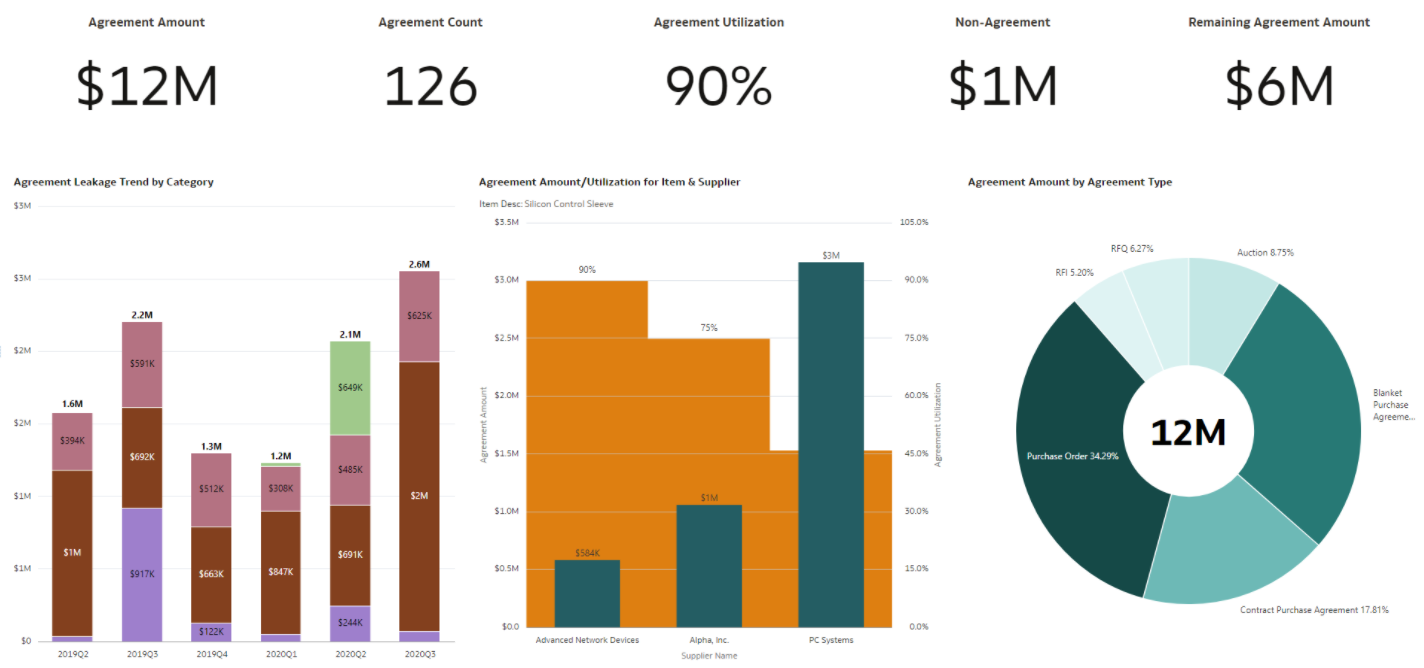
Modern systems detect:
- Sequential purchase orders to the same vendor
- Issued by the same requester
- Within defined time windows
- Below approval thresholds
- For similar descriptions or cost centers
This is not about punishment. It is about exposing system friction that incentivizes workarounds and weakens financial control.
4. THE GHOST IN THE MASTER VENDOR FILE (MVF)
If procurement is the bloodstream of the enterprise, the Master Vendor File is its DNA. And dirty DNA produces systemic disease.
Common MVF Risks
- Duplicate vendors under slightly different names
- Dormant vendors still receiving payments
- Incomplete tax or compliance records
- Shared bank accounts across entities
The Insider Risk Most Audits Miss
The most sophisticated procurement fraud rarely involves fake vendors. It involves conflicts of interest.
Advanced analytics now cross-match:
- Employee addresses
- Bank routing numbers
- Phone numbers
- Tax IDs
- Beneficial ownership signals
If a vendor payment routes to an account linked to an employee, analytics will surface it — long before a manual audit ever could.
THE PSYCHOLOGICAL FACTOR: WHY LEAKAGE PERSISTS IN “WELL-RUN” COMPANIES
This is the uncomfortable truth.
Procurement leakage is not primarily a technology problem. It is a human behavior problem amplified by scale.
Common Cognitive Blind Spots
- Normalization of small exceptions
- Diffusion of responsibility
- Operational pressure favouring speed over scrutiny
- Trust bias toward long-standing vendors
- Approval fatigue under high transaction volumes
People do not intend to lose money. Systems quietly allow it.
THE NEW STANDARD: CONTINUOUS MONITORING
Annual audits are retrospective. Leakage is real-time.
High-performing enterprises are shifting toward continuous monitoring, built on three pillars.
Architectural Gatekeeping
Automated enforcement of the three-way match:
- Purchase order
- Goods receipt
- Invoice
If alignment breaks, payment stops automatically.
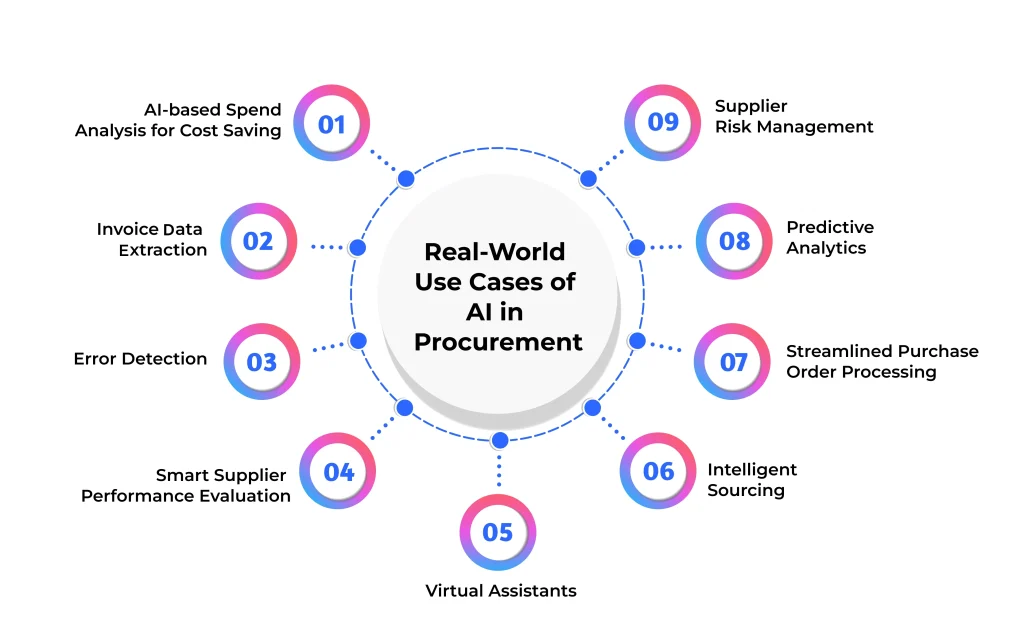
Behavioral AI
Systems flag statistically abnormal behavior:
- Round-number invoices
- Last-minute billing spikes
- Sudden pattern changes by vendors
- Unusual frequency anomalies
These are behavioural signals, not rigid rules.
Predictive Risk Scoring
Each vendor receives a dynamic trust score based on:
- Historical accuracy
- Dispute rates
- Pricing compliance
- Data completeness
Low-risk vendors move faster. High-risk vendors receive targeted scrutiny.
This balances control with operational speed and improves audit readiness for SOX and internal compliance reviews.
THE ROI: FOUND MONEY BEATS EARNED MONEY
Procurement recovery delivers pure margin.
Typical Impact
- Recovery range: 0.1%–0.5% of total spends
- $100M annual spend = $100K–$500K recovered
- No marketing cost
- No customer acquisition
- No revenue risk
Revenue Comparison
At a 10% net margin, recovering $500K is equivalent to generating $5M in new revenue.
Stopping leaks is far easier than finding new customers.
Operational Benefits
- Up to 80% reduction in invoice processing costs
- Faster vendor payments
- Stronger supplier relationships
- Greater credibility for finance and procurement leadership
PROCUREMENT IS NOW A DATA SCIENCE PROBLEM
Procurement leakage is not a failure of people.
It is the predictable outcome of legacy controls operating in a digital-speed economy.
- Spreadsheets cannot govern millions of transactions.
- Manual reviews cannot scale trust.
- Annual audits cannot stop real-time loss.
The future of procurement is analytics-first, behavior-aware, and continuously monitored.
Because the fastest way to grow profit is not chasing the next dollar of revenue — it is stopping the silent dollars already walking out the back door.
Contact Us
If procurement leakage is suspected but difficult to quantify, the challenge is rarely effort.
It is visibility, architecture, and analytical depth.
Cresco International works with enterprises to uncover, measure, and eliminate procurement leakage using advanced analytics, optimization engines, and continuous monitoring frameworks that integrate cleanly with existing ERP landscapes.
To discuss a procurement analytics assessment or recovery opportunity