Logistics and Supply Chain Solutions
Optimize every mile, every pallet, every pick — with AI at the core.
Logistics and supply chain optimization is one of Cresco International’s core strengths. We help organizations streamline distribution networks, optimize inventory and transportation operations, and improve service performance through advanced analytics, AI, and intelligent decision-making. Our solutions deliver greater efficiency, lower operating costs, and increased supply chain resilience at enterprise scale.
Logistics and supply chain operations are becoming increasingly complex as organizations manage rising transportation costs, changing customer expectations, labor shortages, and global supply chain disruptions. Businesses need better visibility across their logistics networks to make faster decisions, improve operational efficiency, and reduce unnecessary costs.
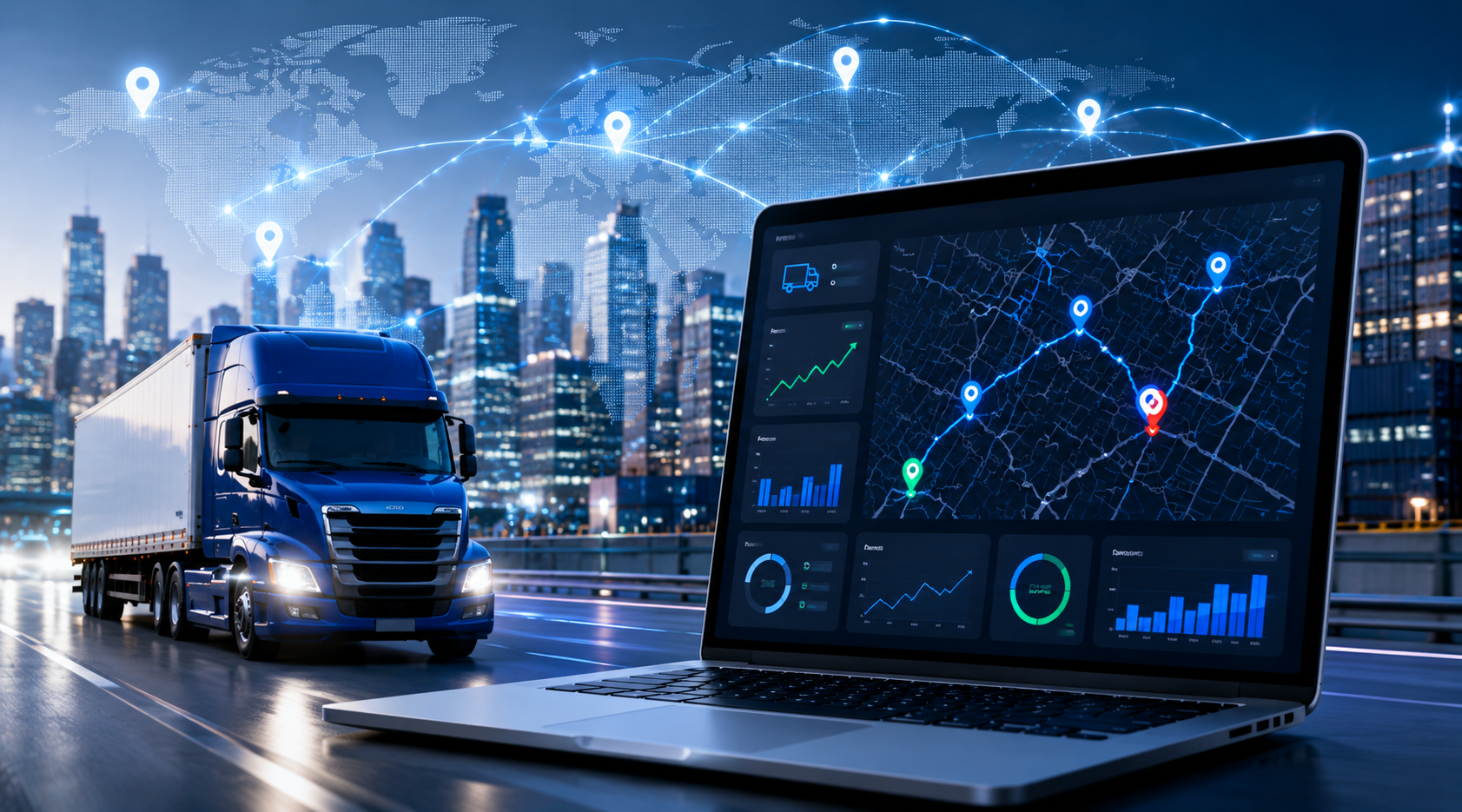
Artificial intelligence, advanced analytics, cloud technologies, and automation enable logistics organizations to optimize transportation, warehouse operations, inventory management, and distribution networks from a single connected platform. Instead of relying on disconnected systems and manual planning, businesses gain real-time insights that improve service levels while reducing operating expenses.
Digital transformation also helps logistics providers become more agile by improving collaboration between suppliers, warehouses, transportation partners, and customers. With intelligent decision-making supported by AI, organizations can increase efficiency, strengthen supply chain resilience, and deliver better customer experiences while preparing for future growth.
Key Solutions
Fleet Optimization & Analytics
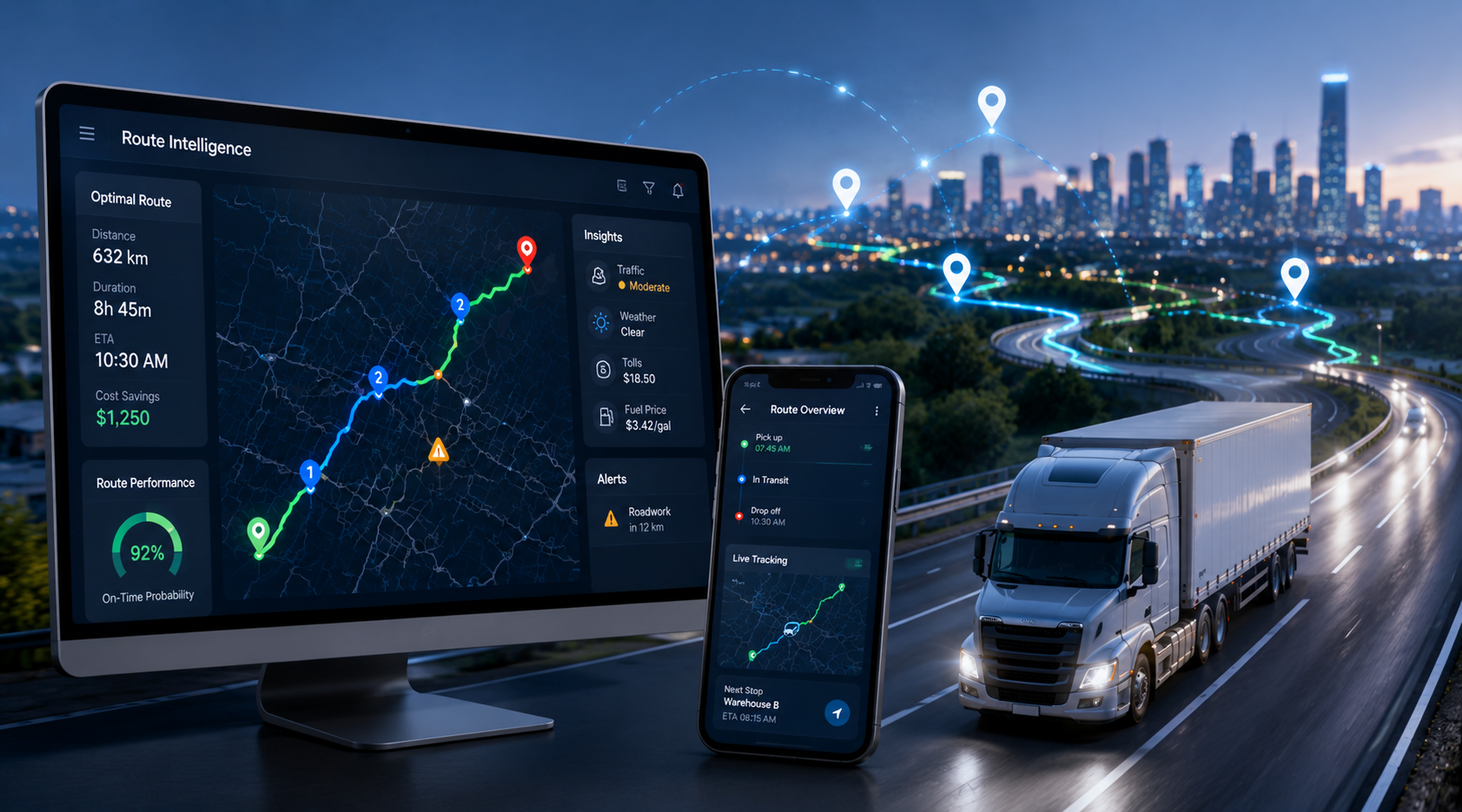
Route Intelligence
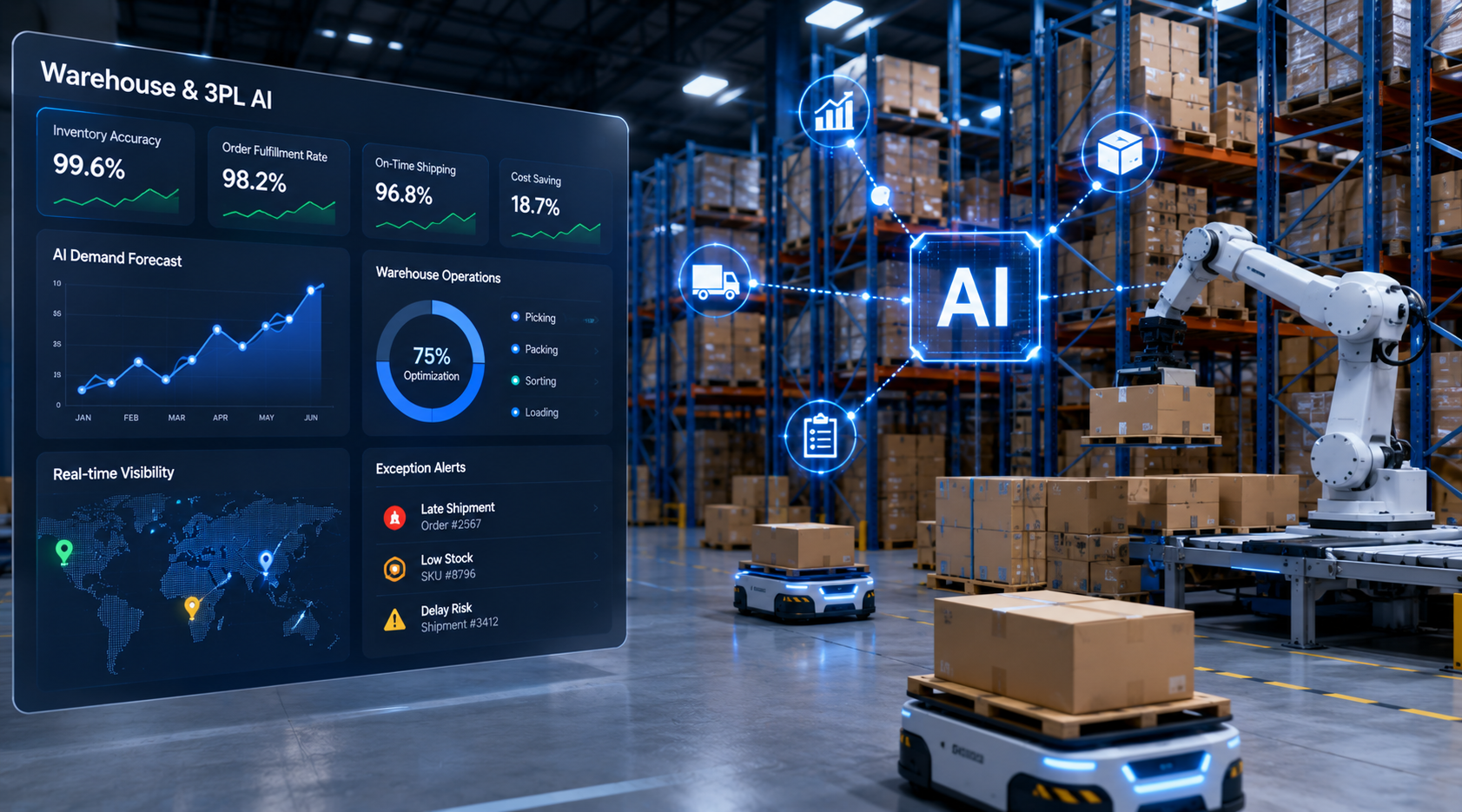
Warehouse & 3PL AI
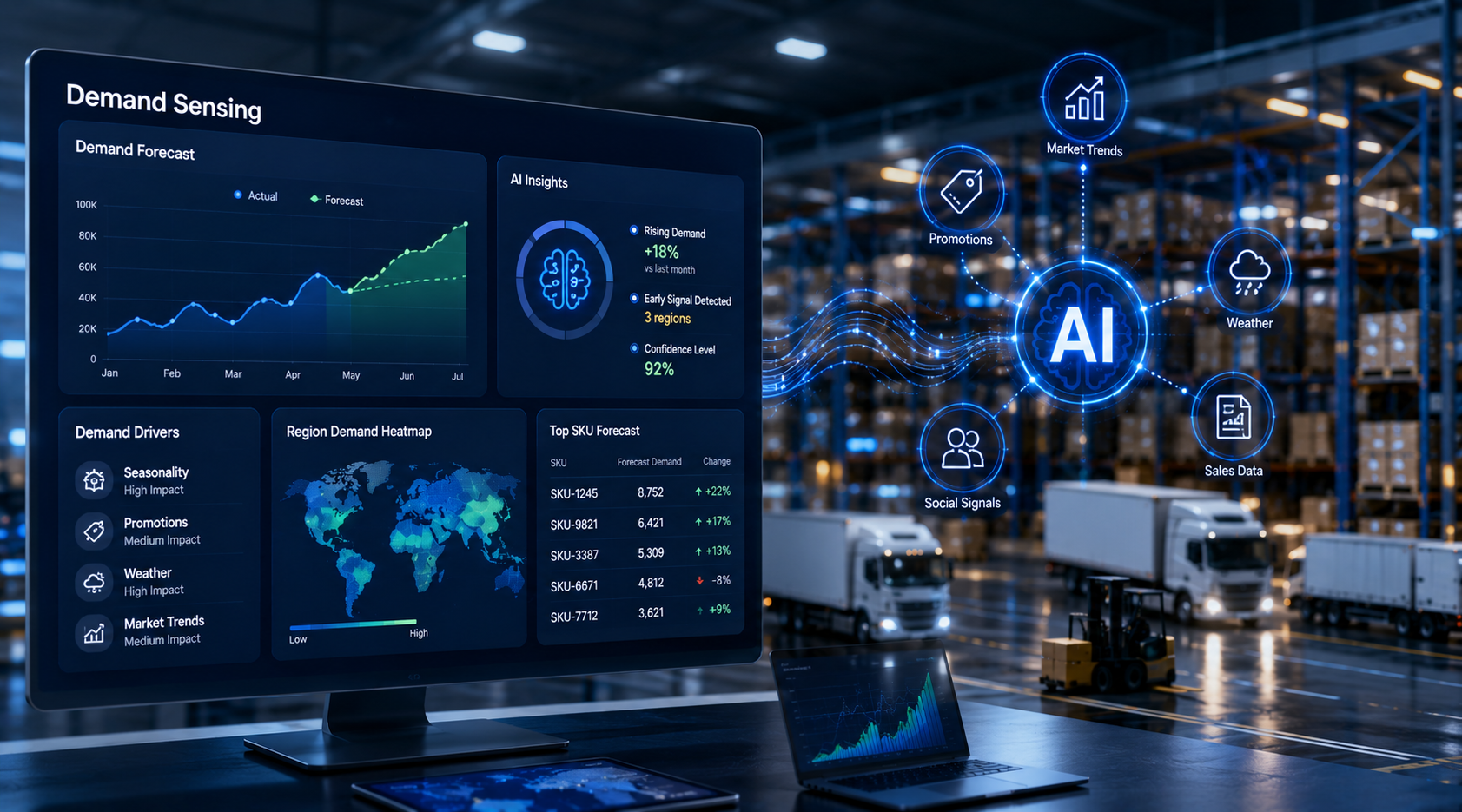
Demand Sensing
Improve Forecasting and Supply Chain Decision-Making
Modern warehouses require intelligent systems that can keep pace with increasing order volumes and customer expectations. AI-powered warehouse management improves inventory visibility, slotting optimization, labor planning, picking efficiency, dock scheduling, and order fulfillment accuracy.
Connected supply chain platforms integrate warehouse management systems, transportation systems, procurement, inventory, and enterprise applications into one unified environment. This provides complete visibility across every stage of the supply chain, enabling organizations to respond quickly to operational changes.
Accurate demand forecasting is essential for maintaining optimal inventory levels and avoiding unnecessary costs. AI-powered demand sensing combines historical sales, customer demand, weather patterns, seasonal trends, market conditions, and external business data to improve forecasting accuracy.
Supply chain analytics provides executives with interactive dashboards that monitor transportation performance, warehouse productivity, inventory levels, supplier reliability, and delivery metrics in real time. Instead of waiting for historical reports, organizations can identify operational risks early and make proactive decisions.
Automation further streamlines repetitive tasks such as shipment scheduling, inventory replenishment, reporting, and order management, allowing logistics teams to focus on strategic initiatives. By combining AI, advanced analytics, cloud platforms, automation, and intelligent optimization, organizations can create resilient, data-driven supply chains that improve customer service, reduce operating costs, and support sustainable business growth in an increasingly competitive marketplace.